

The Most Common Wedding Photo Regrets a Wedding Photographer in Sydney Can Help You Avoid
Every couple hopes their wedding photos will bring the day back to life for years to come. Yet many couples look back with quiet regrets, not because something went wrong, but because small planning oversights slipped through.
Working with an experienced wedding photographer in Sydney is often the difference between feeling confident in your memories and wishing you had approached things differently.
Wedding photography goes far beyond simply taking photos. It requires foresight, a deep understanding of light and timing, and the ability to anticipate meaningful moments as they naturally unfold.
Choosing a Photographer Based on Price, Not Pressure
Many couples work within a set budget, and while they may dream of a wedding that feels cinematic and refined, decisions are often driven by cost alone.
When photography is treated this way, it can leave one of the most important elements of the day exposed to compromised quality, particularly when opting for an inexperienced or cut-price photographer.
In Sydney, the average cost of wedding photography sits around $3,700, with many couples spending in the mid-$3,000 range for full-day coverage. While some packages start lower, often around $1,600 to $1,800, these usually include shorter coverage or fewer deliverables. Paying more generally reflects greater experience, consistency, and reliability.
Lower-priced or inexperienced photographers often struggle in challenging conditions such as low-light ceremonies, harsh midday sun, or fast-moving moments.
To properly assess a photographer’s ability, look beyond the portfolio. Ask to view full wedding galleries from start to finish. This shows how they handle an entire day, including difficult lighting, unexpected changes, and emotional moments.
Photographers who specialise exclusively in weddings tend to understand the flow, pressure, and emotional rhythm of the day far better than generalists, and it will tell over the course of an entire wedding.
Assuming Photographers Will “Just Know” What Matters

Another common regret comes from assuming a photographer will instinctively know which people, moments, or details matter most. Even the most experienced photographers rely on direction to personalise coverage.
Couples often realise later that important family members, cultural traditions, or meaningful details were not captured. It's not that the photographer wasn't good enough but they didn't know what was a must, especially if it's a less obvious request.
Creating a shot priority will give your wedding photographer in Sydney the wants, along with the details, they need to succeed and meet your expectations. This does not mean micromanaging every moment, but just clearly identifying must-have family groupings, cultural elements, meaningful details and out-of-the-box dreams.
The list still needs to remain flexible, and that's to your benefit. Working collaboratively with your photographer allows them to balance logistics with spontaneity while ensuring nothing important is missed.
Not Getting Individual Photos of Each of You
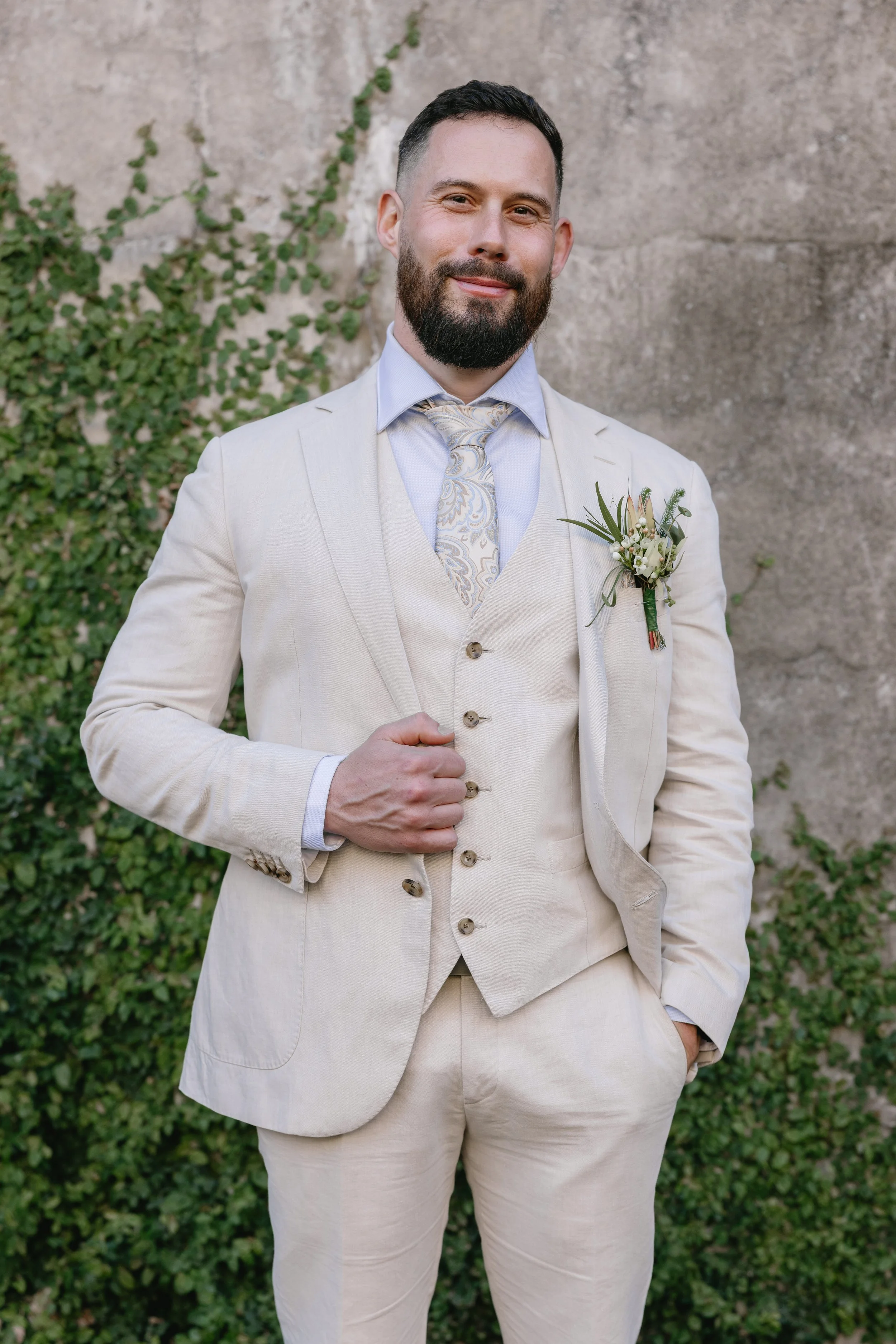
A wedding day is, first and foremost, a shared moment. The focus naturally sits on the ceremony, the people around you, and the story you are telling together. In that rhythm, individual moments can quietly slip past.
One reflection couples often share later is wishing they had allowed space for a few considered solo portraits. Not informal getting-ready images, but calm, intentional photographs of each of you on your own. Images that feel grounded, confident, and true to who you were on that day.
It is rarely a deliberate choice. Portrait time tends to prioritise couple photos and family combinations, and when the timeline tightens, individual images are often the first to be rushed or missed entirely. When couples look back through their gallery, they sometimes realise there are only a handful of solo frames, taken quickly or in less-than-ideal light.
Allowing room for these portraits gives each person’s story equal weight alongside the shared one. With a small amount of planning, individual photos become a natural part of the day rather than something that competes for time.
Here are some tips on how to avoid it:
Schedule 5 minutes each for solo portraits, ideally straight after the ceremony or before guests arrive at the reception. Ten minutes total can cover both of you.
Make it a planned part of the timeline, not an optional add-on. If portraits get squeezed, solo shots are usually the first thing to disappear.
Choose a location with clean light and background (shade, neutral walls, simple greenery). This keeps the focus on you, not the setting.
Call it out in your shot priorities so your photographer knows it matters. A simple note like: “Solo portraits: 5 mins each, modern and natural.”
Underestimating How Time Slips Away on the Day
Weddings move quickly, and time disappears faster than most couples expect. Small delays often snowball, cutting into photography time and creating stress.
A delayed hair and makeup schedule or transport issue can easily shorten portrait sessions. This leads to rushed photos and less variety. To avoid this, build buffer time into your timeline. Allowing 15 to 20 minutes between key moments helps absorb delays without derailing the day.
Portraits also work best when they follow the natural flow of the day rather than rigid timing. Planning a couple of photos around energy levels and light, rather than fixed slots, leaving you with more relaxed and authentic images.
Missing Golden Hour or Not Planning for Light
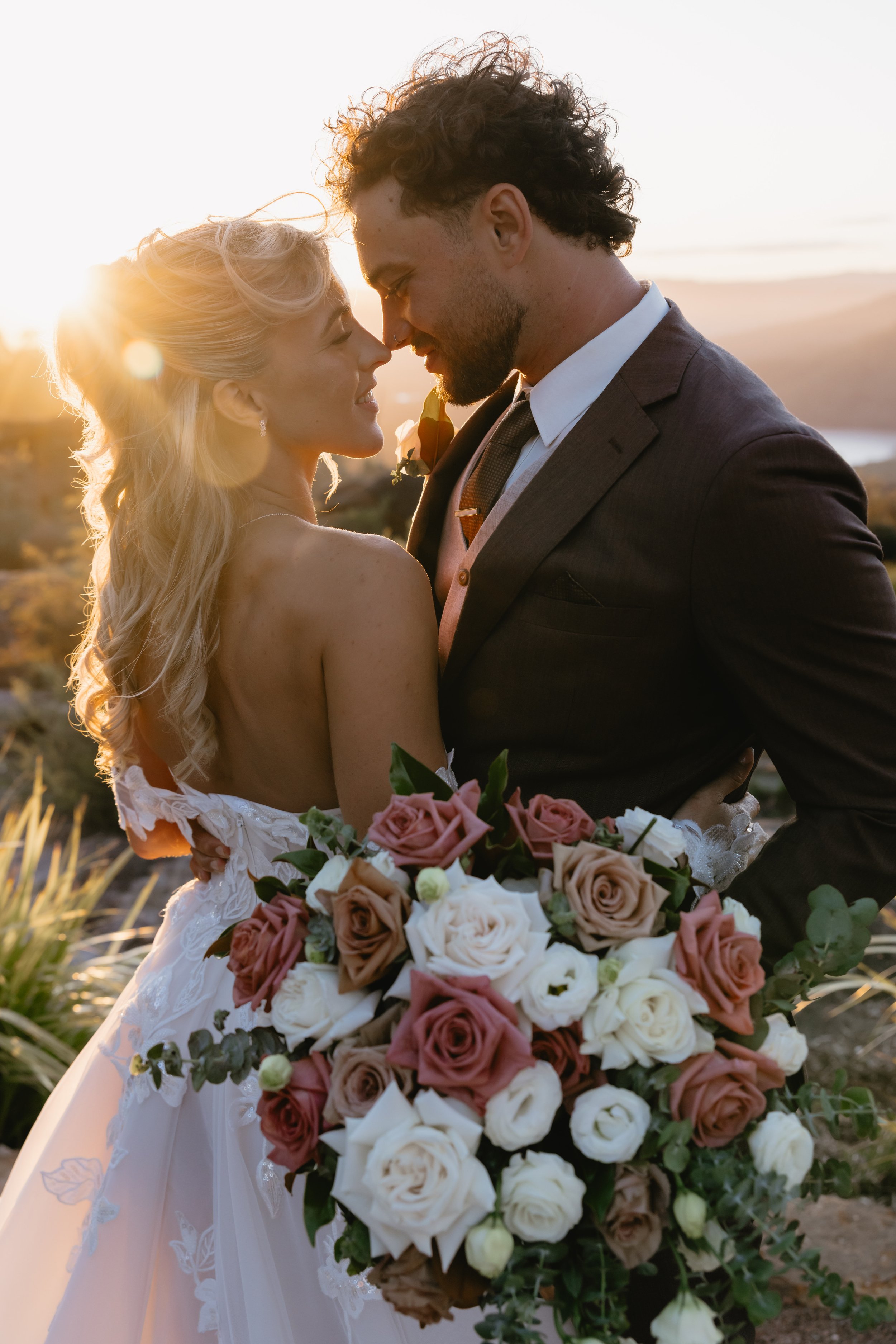
Golden hour is one of the few moments in the day where light naturally does the heavy lifting. It is brief, quiet, and often overlooked, but it consistently produces the most relaxed and natural portraits. Skin tones soften, shadows ease, and the overall mood feels calmer without any forced posing.
When this window is missed, portraits are usually taken in less forgiving light. Midday sun can feel stark and distracting, while later indoor light can flatten or dull the scene. The difference is subtle, but it shows in how comfortable and unguarded people appear in the final images.
Working with a photographer who understands light allows these moments to be planned gently, without disrupting the flow of the day. Small adjustments, like stepping away for a few quiet minutes at the right time or reshaping the timeline slightly, can make a noticeable difference, resulting in images that feel calm, natural, and true to the moment.
Not Capturing the “Edges” of the Day

Couples naturally prioritise coverage around the ceremony and reception, but some of the someo of the most emotionally rich moments happen at the edges of the day.
The quiet build-up while getting ready, pre-ceremony nerves, the way guests react during the vows, and the final moments as the celebration winds down all add depth and context to the story. A wedding album is not just a collection of highlights. It is a complete narrative.
The shared laughter between groomsmen as they get ready, a quiet moment of reflection before the ceremony, a mother shares a moment with her daughter as she gets herself ready for the big moment, the way the couple reconnects at the end of the night often becomes one of the most meaningful images to look back on.
These are the moments couples rarely think to ask for because they're so natural and personal, yet are often the ones that resonate most over time.
Choosing a wedding photographer in Sydney who offers full-day coverage and working from a considered timeline ensures these often-missed or not even asked for moments are captured without needing to be staged or forced.
Styling That Clashes With the Location or Light
Styling decisions live far longer in photographs than they do in memory. One regret that often surfaces later is realising that outfits or colour choices didn’t quite sit comfortably within the setting itself.
A dark, formal tux can feel visually heavy against a bright coastal backdrop. Likewise, highly reflective fabrics or stark whites can draw attention away from faces in softer, more muted venues. These choices are rarely wrong in isolation, but when placed into a specific environment and light, they can unintentionally dominate the frame.
This is less about fashion rules and more about balance. When clothing, surroundings, and light work together, the focus stays where it should, on connection, expression, and emotion.
A photographer with experience will naturally think about how colours and textures translate on camera. Having that conversation early allows for suggested adjustments that protect the overall feel of the images, without compromising personal style.
Ignoring How Movement Affects Photos

One of the quieter regrets couples mention is noticing how discomfort shows up in their photos. Clothing and footwear that look beautiful but restrict movement often lead to stiff posture, guarded body language, and expressions that feel held back rather than natural.
When you can move easily, interaction becomes more relaxed. You sit closer, lean in, laugh freely, and forget about what you are wearing. That ease translates directly into photographs that feel alive and genuine.
A few practical considerations help avoid this:
Test movement during fittings. Walk, sit, turn, and raise your arms. If something feels tight or awkward, it will likely show on the day.
Be mindful of footwear. Shoes that pinch or slip can affect posture and confidence. Many couples plan a second pair for later in the day.
Allow for outfit changes. A more flexible option for the reception often results in more expressive, energetic images.
Forgetting to Consider Videography at All
One regret that often surfaces long after the wedding is realising that photography alone could not capture everything. Not because the wedding photos were lacking, but because some moments are defined by movement, sound, and timing in a way still images cannot fully hold.
Couples mention wishing they could hear their vows again, rewatch a speech that caught them off guard, or see how the room reacted in real time. These are moments that pass quickly on the day and are almost impossible to recall clearly years later.
When videography is not part of the plan, it is usually not a deliberate decision. It is often overlooked entirely, assumed to be optional, or dismissed as something only needed for highlight reels.
The regret comes later, when couples realise there is no way to revisit those voices, expressions in motion, or the atmosphere of the room as it unfolded.
Working with a photographer who also offers videography, or collaborates closely with a videography team, allows the day to be captured as a complete story rather than a series of isolated moments. It creates continuity in how the day is documented and removes the need to choose between stillness and motion.
Regret Comes From Assumptions, Not Bad Luck
Most wedding photo regrets come from assumptions and lack of planning, not bad circumstances. Clear communication, realistic timelines, and thoughtful preparation make all the difference.
An experienced wedding photographer Sydney couples trust will anticipate challenges, guide key decisions, and remove guesswork before it becomes stress.
When photography is treated as a collaborative investment rather than a transaction, the experience feels calmer, more intentional, and far more meaningful.
If you’re planning your wedding and want a photographer who feels like a dedicated partner rather than a supplier, Christian Michael Photography offers a calm, considered approach built on trust, connection, and storytelling.
Get in touch to start shaping a wedding experience and visual record you’ll be grateful for long after the day has passed.
